Projects — 2025
Plantopia
A $10,000 investor-funded venture bringing AI disease diagnosis to the edge of the farm.
Secured through successful pitches to corporate investors including NCR and Assurant.
MobileNetV3 inference provides instant real-time feedback in signal-dead zones.
The Origin
Plantopia was created to help gardeners take care of their plants. The initial idea of the project came when I saw my parents struggle with our garden. They were new gardeners and had trouble understanding a plant’s needs and how to care for them.
To solve this, I first talked with them and separated major pain points such as difficulty identifying plant struggles and diseases. After consultation, I was able to sketch out a solution for their problems, in the form of a web and mobile app paired with a physical probe.
The Solution: Hardware Meets Software
A user inserts a lightweight probe into a plant. The probe records soil data such as temperature, moisture, NPK levels, and humidity, then sends it to the user’s online Plantopia account.
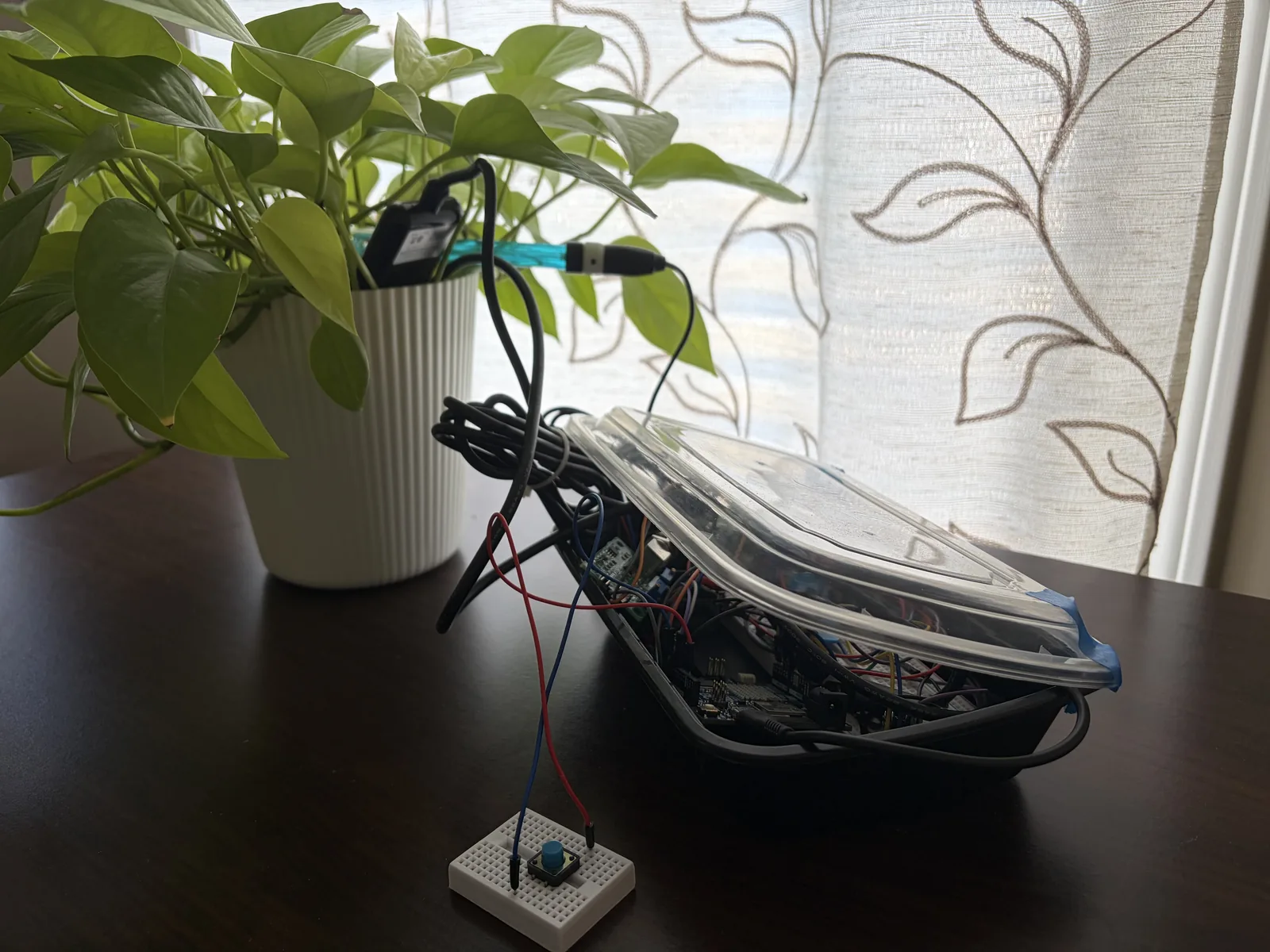
Figure 1: Early-stage Arduino prototype featuring moisture and NPK sensors.
Once the user logs onto their Plantopia account on their phone or computer, they can view soil data for all of their plants, set reminders and view alerts, and run AI analysis on their plant data and using plant images to receive smart recommendations.
Interactive Demo: Real-time sensor data visualization and AI-driven plant health diagnostics.
System Architecture
To handle the complexity of real-time sensor loops and multi-model AI inference, I designed a decoupled architecture that prioritizes vertical scalability and low-latency data propagation.
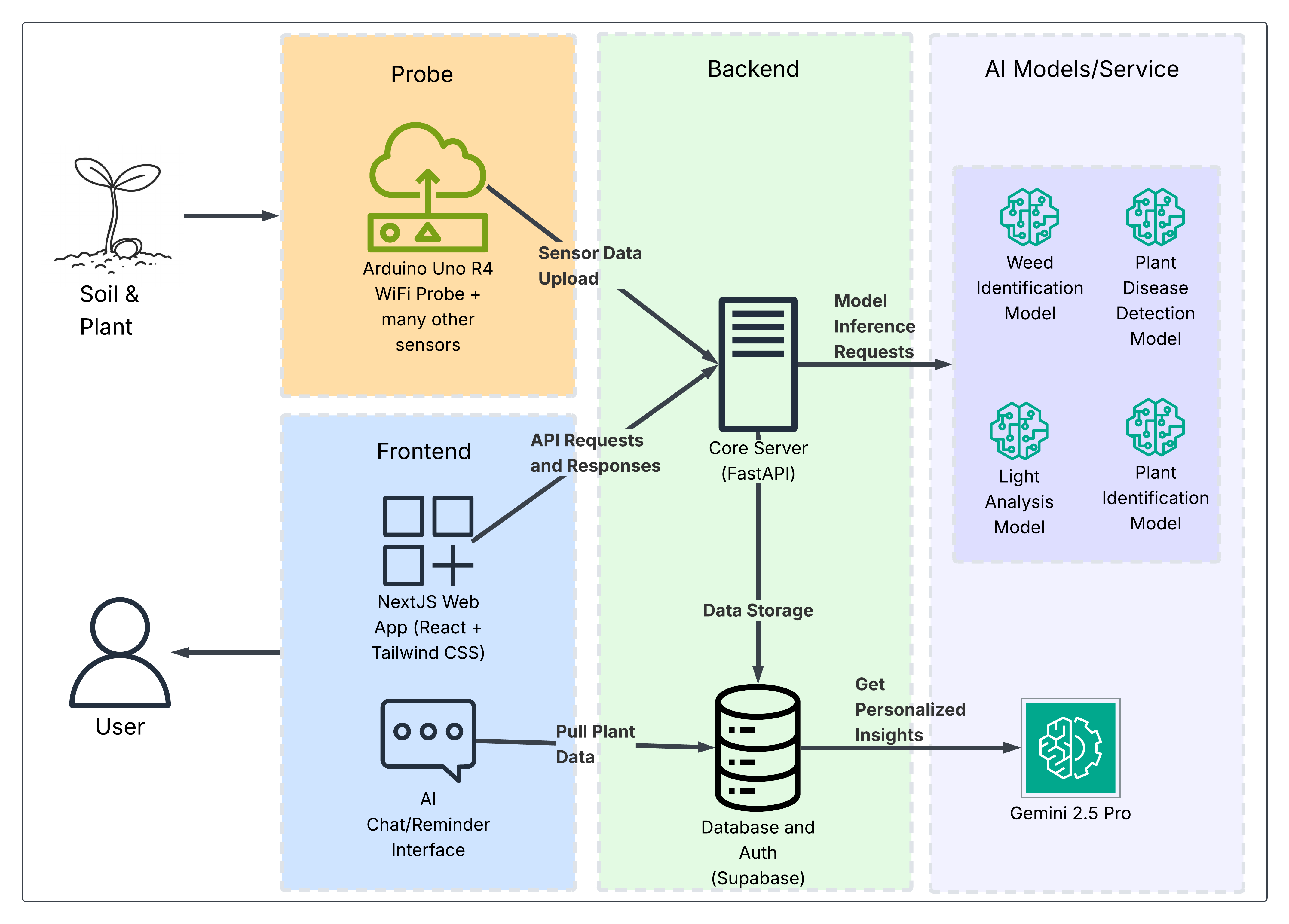
Figure 2: End-to-End Data Lifecycle—from Edge Capture to AI Reasoning.
The lifecycle begins with the Arduino Uno R4-based probe, which acts as our edge gateway. It performs local signal processing before transmitting telemetry via WiFi to our FastAPI backend. The backend orchestrates the data flow, persisting raw metrics in Supabase while simultaneously triggering redundant AI worker services for specialized tasks like weed identification and disease classification. Final insights are synthesized through Gemini 2.5 Pro using a RAG-based context injection pipeline.
Technical Implementation
This project evolved into a multidisciplinary effort. While my colleagues focused on the electromechanical design of the hardware probe, I architected the end-to-end software ecosystem.
- Stack Choice (NextJS & Tailwind): We needed a unified framework for SEO-friendly static landing pages and a highly interactive dashboard. NextJS’s hybrid rendering allowed for fast initial loads of the soil data visualizations.
- Inference & Backend (FastAPI): I chose FastAPI specifically for its asynchronous I/O capabilities and native Pydantic support. This was critical for handling concurrent model inference requests from the probe while ensuring strict data-type validation for sensor telemetry.
- Data Persistence (Supabase): By utilizing Supabase, we leveraged the power of a full PostgreSQL relational database with automated real-time listeners. This ensured that whenever a probe uploaded a sample, the user’s dashboard reflected the change instantly without polling.
- LLM Reasoning (Gemini 2.5 Pro): Rather than simple text generation, we implemented a form of Retrieval-Augmented Generation (RAG). By injecting real-time sensor data and regional climate metadata into the context window, Gemini provides actionable, sensor-aware agronomic advice rather than generic gardening tips.
Deep Dive: Machine Learning & AI
The core of Plantopia’s intelligence lies in its vision models. I learned to implement these through resources like DeepLearning.AI’s Convolutional Neural Networks course and various PyTorch tutorials.
Architectural Logic
We utilize a combination of depthwise separable convolutions and residual learning to balance speed and accuracy.
Optimization Through Convolutional Arithmetic
To achieve high efficiency on edge devices, we decompose standard convolutions into Depthwise Separable components. This drastically reduces the number of operations (FLOPs) required per layer.
The theoretical cost reduction in computational complexity is defined by the ratio:
Where represents the number of output channels and is the kernel spatial dimension. This optimization allows us to run inference on mid-range ARM-based CPUs with sub-50ms latency.
Architectural Feature Maps
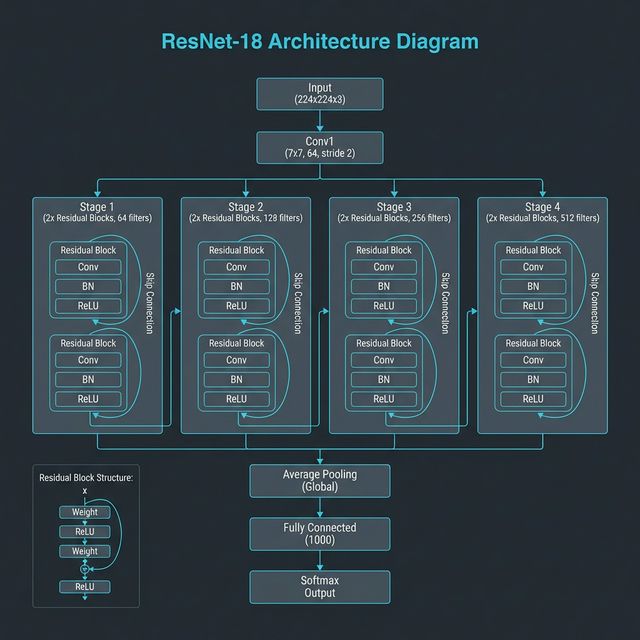
ResNet-18: Residual Mapping
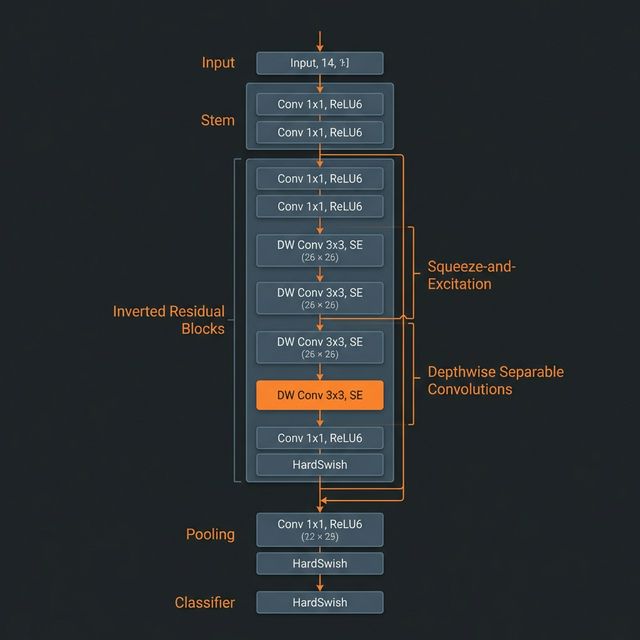
MobileNetV3: Squeeze-and-Excitation Optimization
[!NOTE] Training involved optimizing for latency first, ensuring that diagnosis could happen in “signal-dead” zones common on rural farms.
Impact and Future Vision
This past summer, I had the opportunity to present this project to corporate leadership and gathered $10,000 in seed funding from investors including NCR and Assurant.
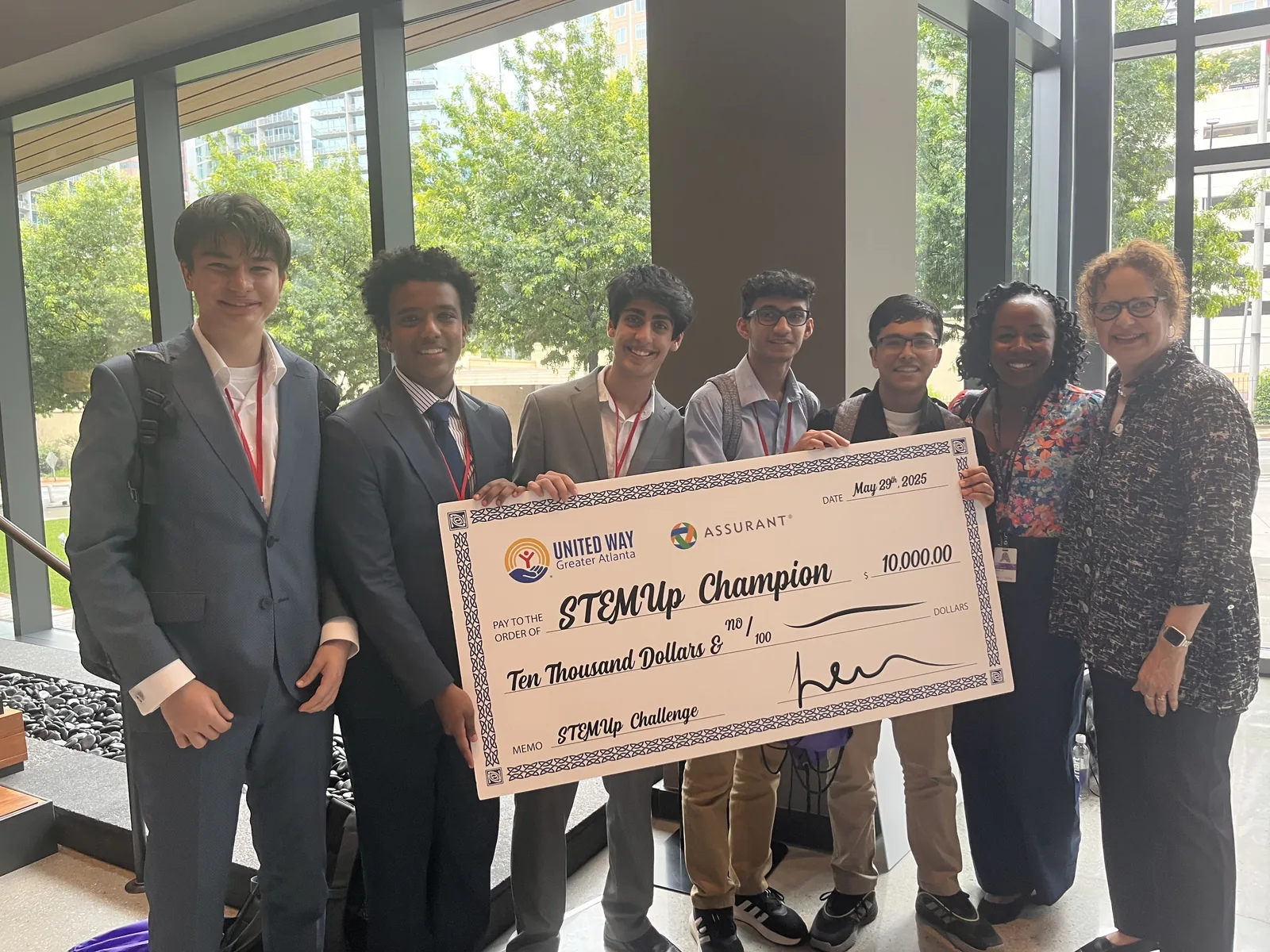
Figure 3: Securing capital for pilot expansion through corporate pitching.
Parallel to our funding efforts, I established a partnership with Old Rucker Farms. They have agreed to a localized pilot program, deploying our prototype probes and online platform to provide critical real-world feedback on crop health trends and sensor-driven alerts.
What’s Next?
In the future, I would like to scale Plantopia further, creating a dedicated mobile app and taking the product to market. Additionally, AI features such as weed and light identification will be added, and the existing inference pipeline will be improved through continual learning from real-world plant data and sensor-aware edge computing.